 Chargement en cours...Chargement en cours...Chargement en cours...
Historical chronicles · 1890–present
Aneho does not hide its scars. This crossroads city between the german protectorate, french colonization, and Guin identity carries the weight of world history in its stones. Here, we archive it unfiltered.
Before Lomé, there was Zébé. How this Aného neighborhood, chosen by the German Empire in 1887, became the administrative and medical seat of Togo.

"The Ocean swallowed everything. The ships, the empires, the names of kings. But the lagoon — the lagoon remembers it all."
Between the 1960s and 1980s, a group of Togolese women took total control of the Dutch wax fabric trade in West Africa. Inside an empire built on printed cloth.

Inventory of colonial documents available for researchers and genealogists. Sources for the history of Aného.

The chronological register kept by the Lawson family from 1841 to 1938, published by Oxford University Press. A unique window into Atlantic trade seen from Africa.

The French mandate viewed from Aného. Social and economic transformations, resistance, and Togo's march toward independence.

Dive into the layers of Aného's history, once the capital of German Togo, nestled between Gothic architecture and a sacred lagoon.
Wrought-iron balconies, pastel facades, and carved doors: how former slaves returning from Bahia redesigned the geometry of Aného in the 19th century.

Thirty years of German presence in Aného. From Gustav Nachtigal's arrival to the 1914 defeat, how Togoland lived under Berlin's tutelage.

From the 17th-century migration from Accra to settling on the lagoon, how the Guin-Mina people founded Petit Popo and built a coastal kingdom.

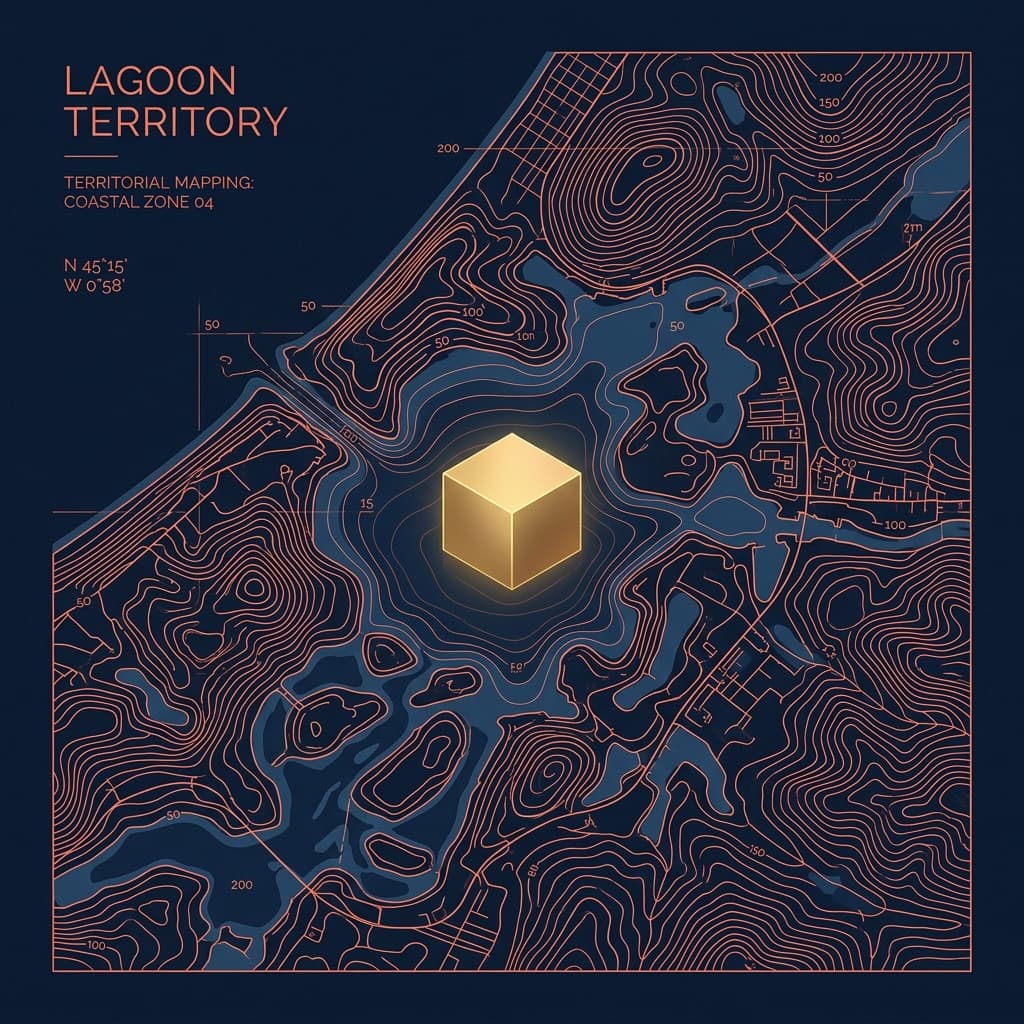
The evolution of Aného's territory through old maps, from the 17th century to today. From Portuguese portolans to modern satellites.

The story of the SVD Mission's establishment in 1895 and the construction of the first major Catholic edifice facing Aného's sea spray.

Historical reconstruction of the German wharf of Petit Popo. A major colonial infrastructure swallowed by the sea.

Origin of the name Lolan, its foundation in 1821, and the architectural history of the palace of the Lawson kings of Aného, seat of the Guin kingdom.

Aného's role in the slave trade. Between painful memory and the duty of transmission, how Petit Popo remembers the Slave Coast.

The little-known episode when Petit Popo became the seat of German colonial power. How Aného governed Togoland for eleven years before giving way to Lomé.

How a local interpreter sent to England in the 18th century returned to found one of the most powerful royal houses on the Guinean coast.