 Chargement en cours...Chargement en cours...Chargement en cours...
41 Divinities · Rituals · Sacred Forest
The invisible cannot be photographed. It is whispered in the wind of the sacred forest of Glidji-kpodji. Here reside the 41 mother divinities of the Guin people, guardians of a four-century-old cosmic balance.
It all began in accra, around 1660. Fleeing the akwamu wars, the ge (or Guin) people began an exodus eastward, carrying their gods, ancestors, and a mystical stone.
They settled on the peaceful banks of the Aneho lagoon, founding Glidji-kpodji. The forest that grew there immediately became a sanctuary. This is where the 41 mother divinities chose to make their home, watching over the balance between the fresh water and the salt ocean. This pantheon is not just a belief; it is the very structure of Guin justice and morality.

The first of the pantheon, the one who leads the march of centuries. Togbe Degbe represents the primordial lineage and the authority of the elders. He is the guarantor of continuity between generations, the first link in a chain connecting the living to the founding ancestors. He is invoked at the beginning of every important ceremony, for without his consent no other divinity can be called upon.

One of the protective mothers of Glidji. Mama Koley embodies gentleness hiding an indomitable telluric power. Guardian of the sacred forest, she watches over centuries-old trees and initiation clearings where novices receive the elders' teaching. She is prayed to for children's protection and women's fertility. Her cult is among the most popular among Guin families.

The armed wing of the pantheon. Ata Sakuma is invoked for the protection of the territory and the integrity of the city. A formidable warrior, he repels both visible and invisible enemies. Hunters and soldiers devote particular worship to him. His energy is channeled during ceremonies where men dance with ritual weapons to show their courage and loyalty to the community.

Major divinity of the Akangban. Togbe Kpobi embodies royal wisdom and immanent justice weighing men's deeds. He presides over the customary court where elders settle disputes according to ancestral laws. His scale measures not only wrongs but intentions. He is feared as much as respected.

Ata Kpessu is the holder of the stone's secret. Guardian of the Kpessosso, the sacred stone consulted each year during Epe-Ekpe, he is the mediator between the people and the divinities' messages. Under his aegis, high priests interpret colors and signs appearing on the stone. His office is among the heaviest in the Guin clergy.

Nurturing mother of the Guin people. Na Bosromafli watches over women's fertility, newborns' health and the abundance of mother's milk. Maternal figure of the sanctuary, she is invoked at births and postpartum ceremonies. Her reassuring presence reminds us that life continues, generation after generation.

Deep wisdom of the Akangban clan. Na Adjaflo is the protective mother who guides elders' decisions through her clairvoyance. She is the voice of reason in assemblies, reminding that justice must be tempered by mercy. Older women devote particular worship to her, seeing in her the model of the wise and respected matriarch.

Harmony and peace within the clan. Na Hoenyon ensures conflicts do not deteriorate and concord reigns between families. She is invoked at reconciliations and collective purification ceremonies. Her presence is gentle but firm: she teaches that peace is not the absence of conflict, but the ability to resolve it without violence.

The forty-first divinity, the one who seals the circle of the Guin pantheon. Senadou Kotomadja is conclusion, completion, the return to unity after the diversity of the forty divinities preceding her. She reminds us that every cycle has an end, and every end is the beginning of a new cycle. Her number, 41, is no accident: it is the number of totality.


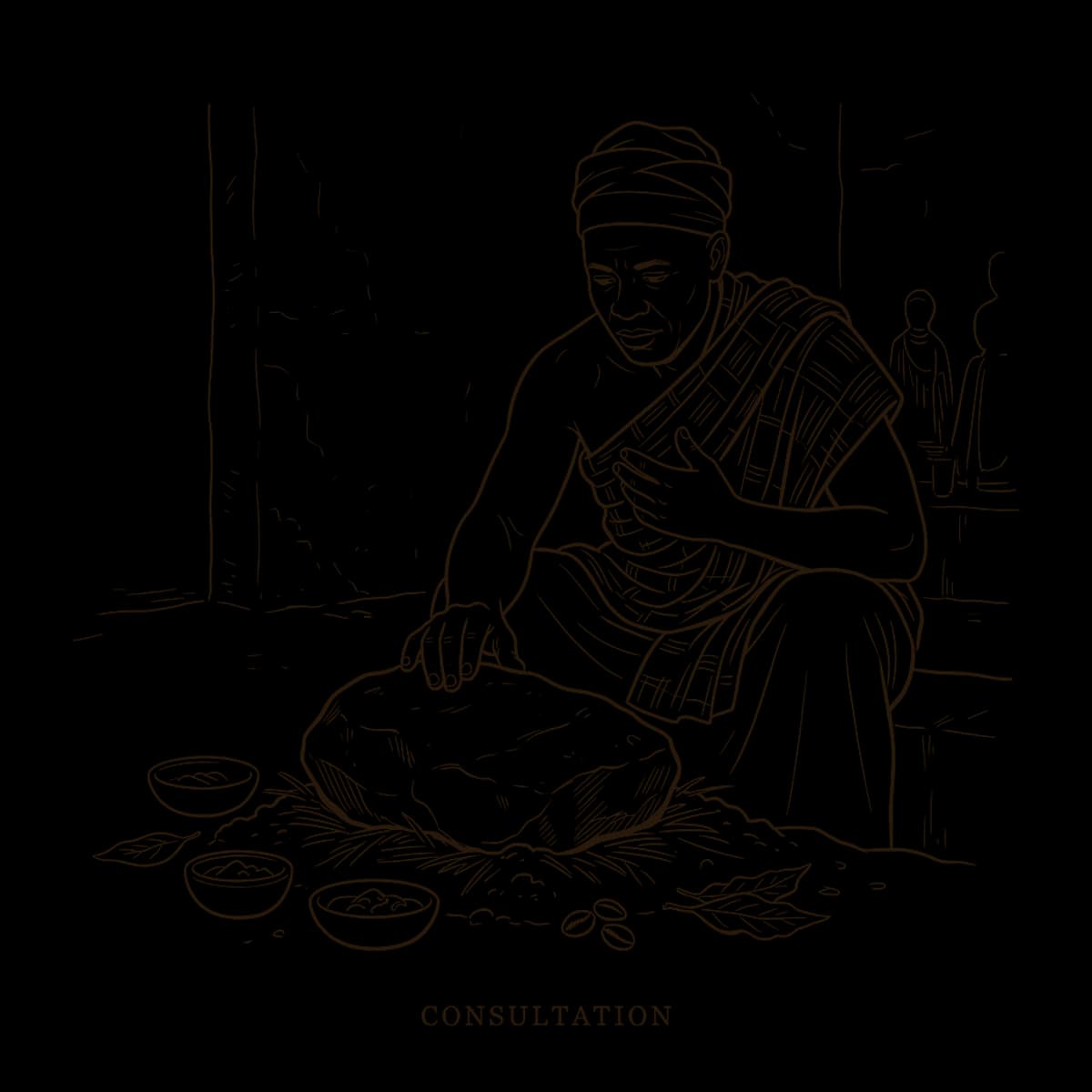
The New Year of the Guin-Mina people and the Kpessosso ritual.
The sacred gestures connecting the living to the ancestors.
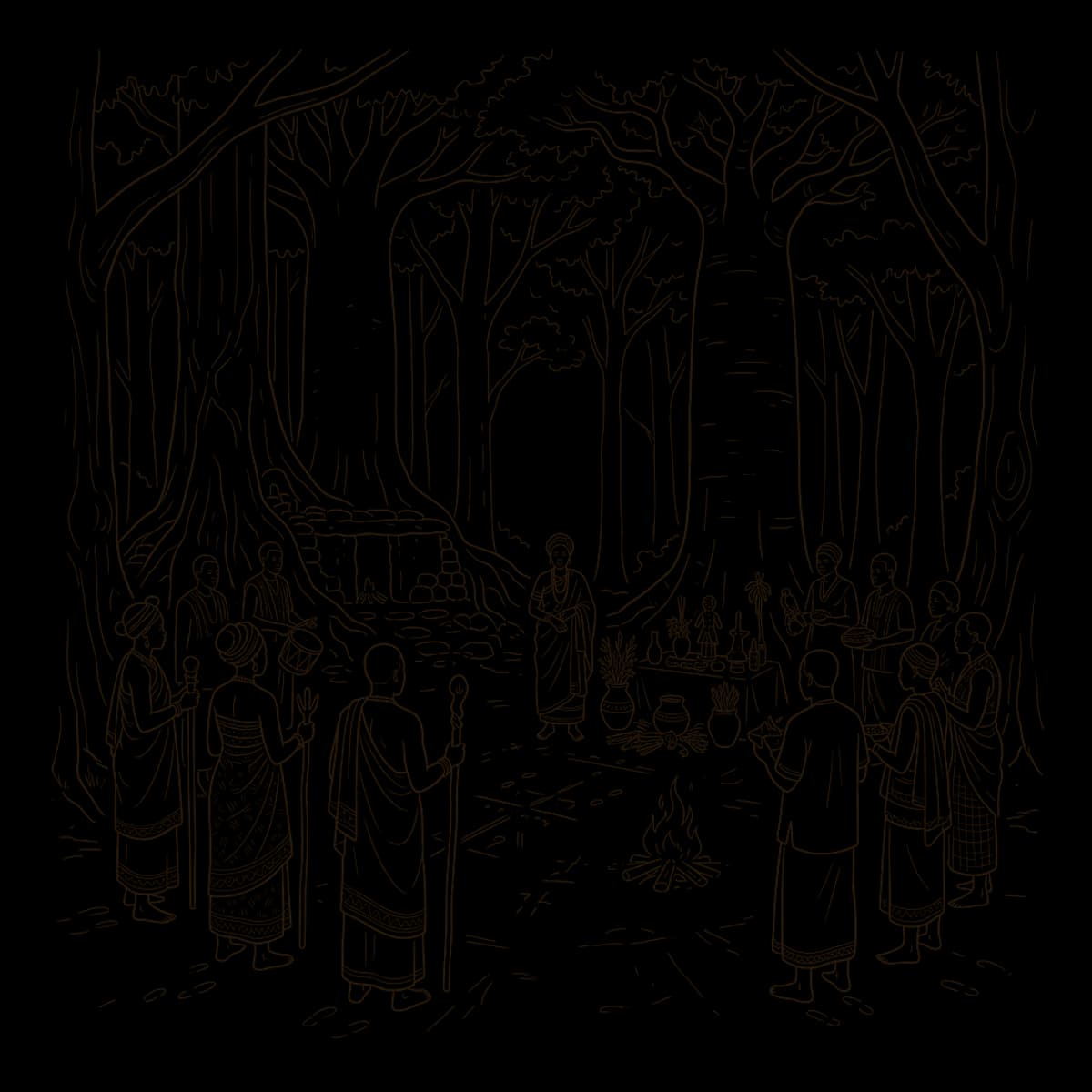
The inviolable natural sanctuary and its initiation clearings.
Passage to adulthood and learning the mysteries.
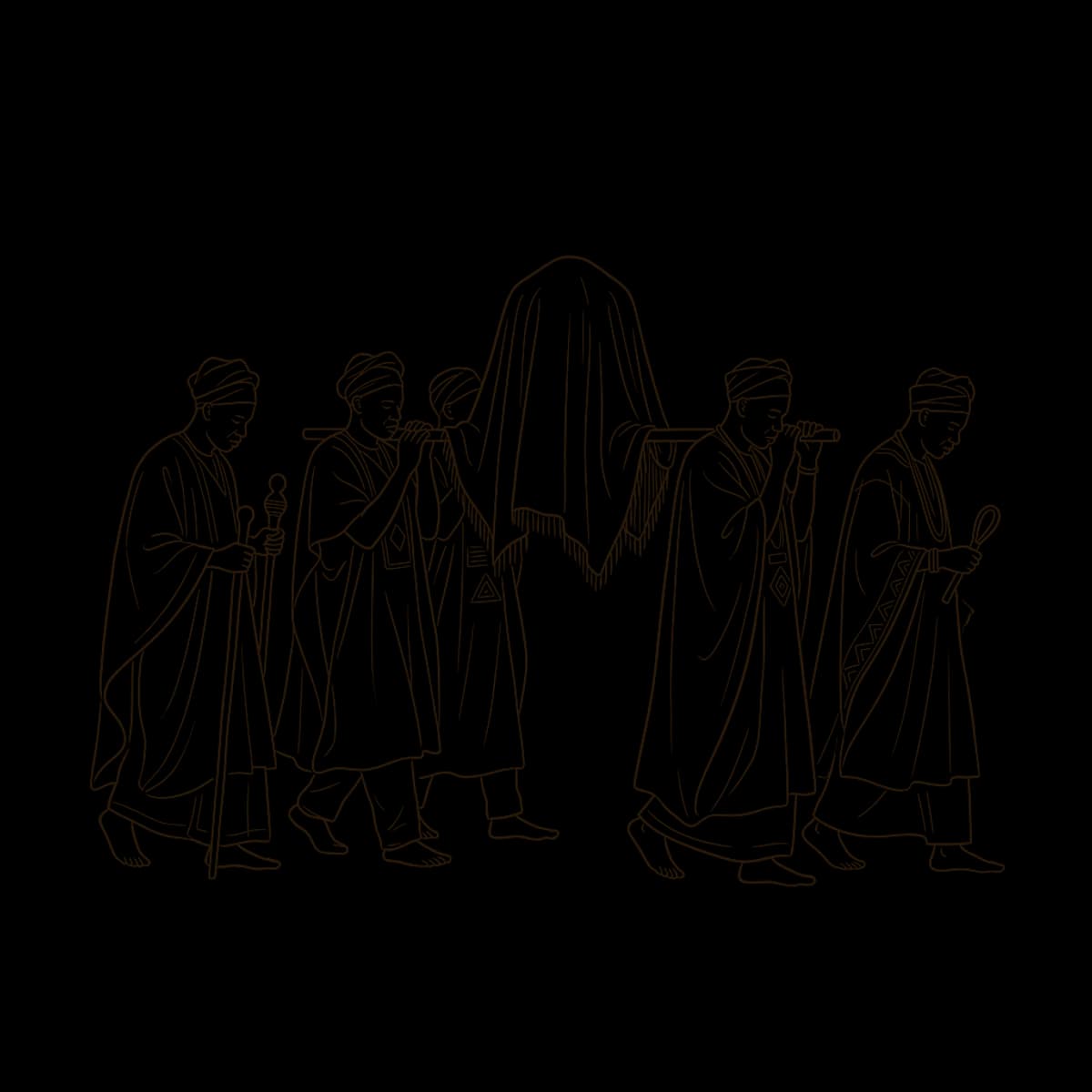
Aquatic sanctuaries, convents, and spiritual geography.
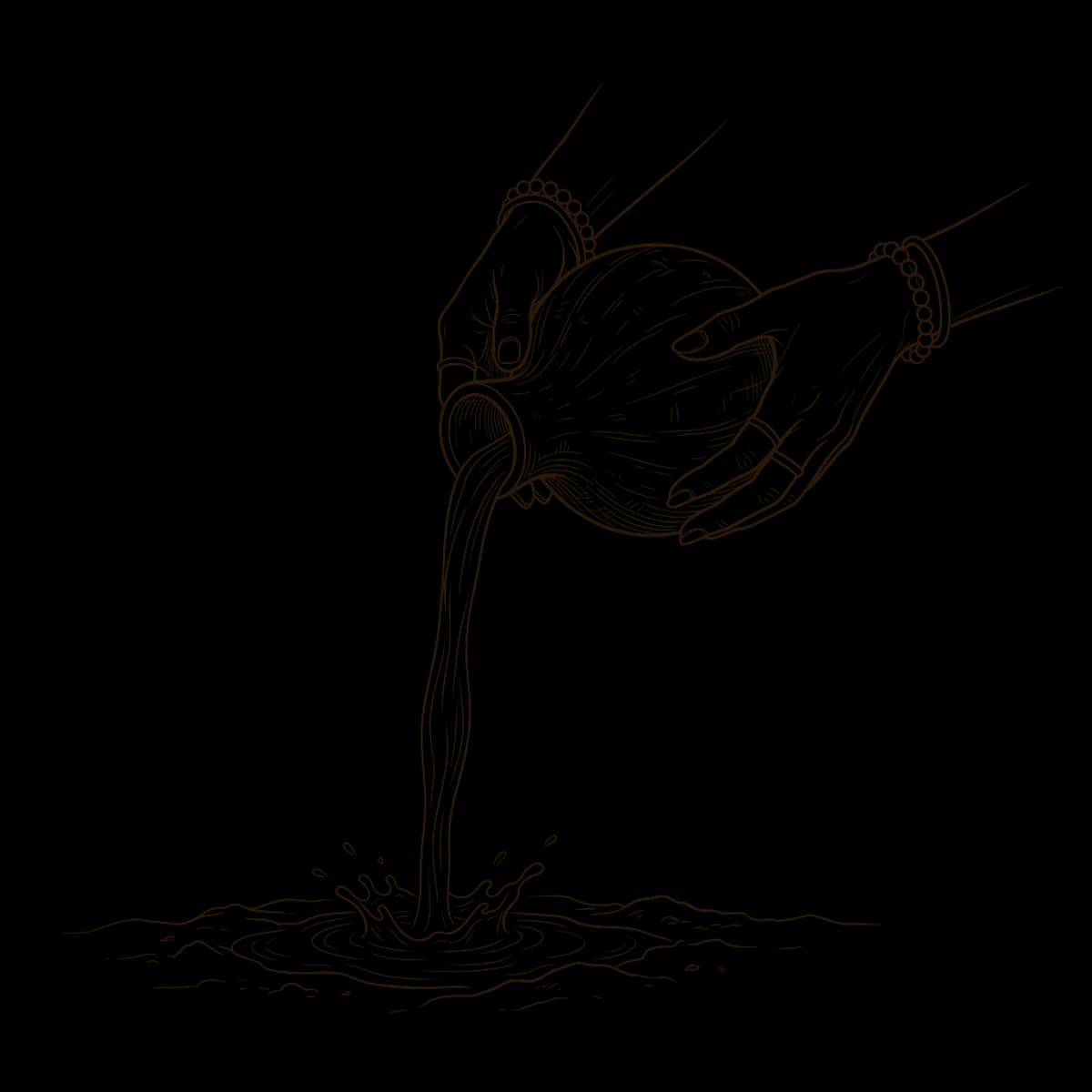
Guardians of dogma, healers, and city oracles.

The clan heart and spiritual gathering house.
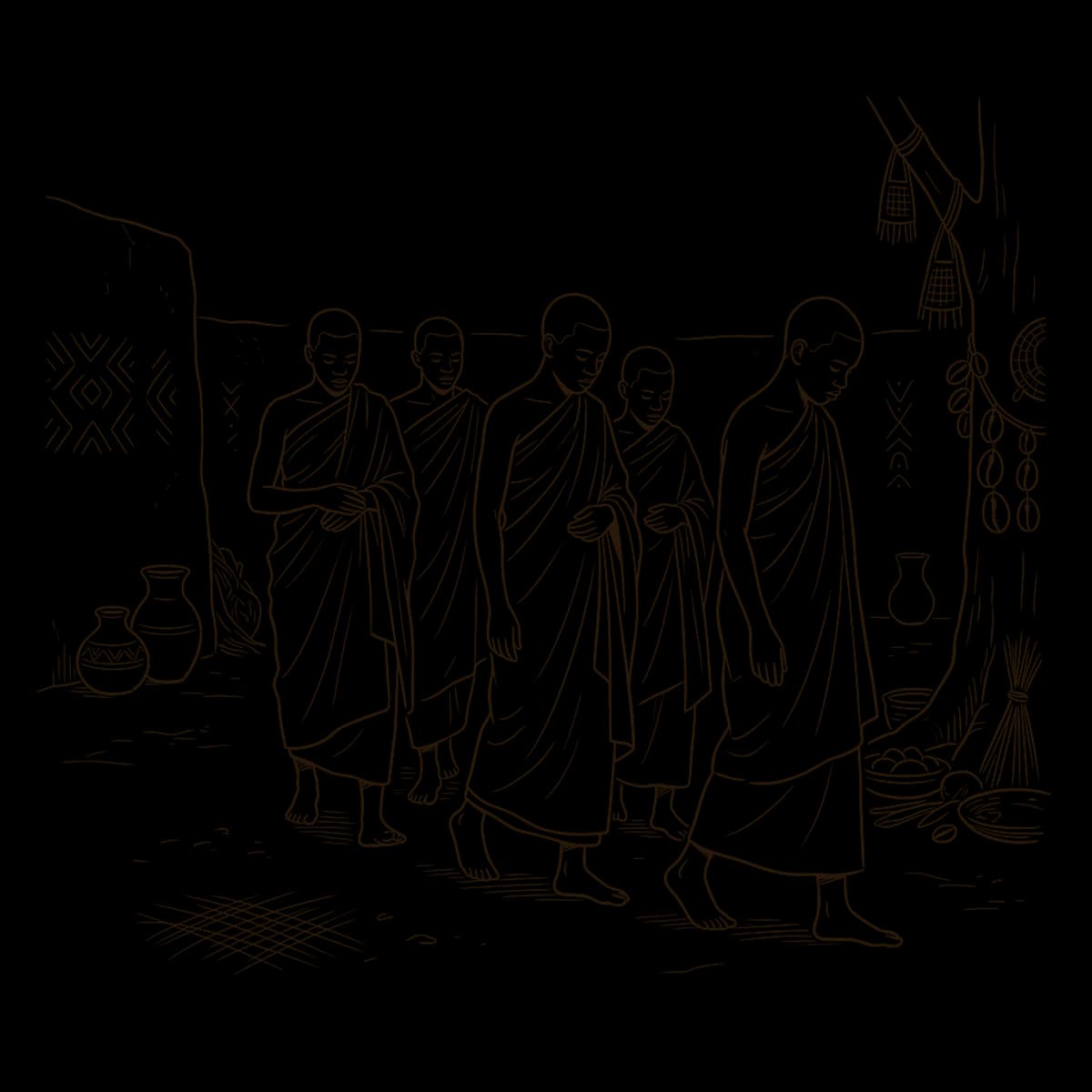
The sacred rhythm dictated by moons and appearances.
The annual revelation of the mystical stone and its prophecies.
Dances, trances, and drumming at the heart of worship.
It is the new year festival of the Guin people. It centers on the taking of the sacred stone ritual in Glidji, whose color reveals the omens for the year.
Access to the deep forest is strictly reserved for initiates and priests (hounons). However, the courtyards and Glidji-kpodji are open to respectful visitors.
The number 41 is sacred in the ge-Mina cosmogony, representing the completeness of the original pantheon carried during the accra exodus.
Guin Voodoo is the spiritual tradition of the Guin-Mina people of Aneho, Togo. It is based on a pantheon of 41 mother divinities and ancestral rituals such as Epe-Ekpe (the Sacred Stone ceremony). It is neither black magic nor superstition, but a structured cosmological system.
The Guin pantheon has 41 divinities, each governing a specific domain: earth, thunder, fertility, war, wisdom, healing, etc. Togbe Degbe is the first, and Senadou Kotomadja is the 41st who seals the circle.
Epe-Ekpe is the annual Guin New Year ceremony that takes place in Glidji. High priests consult the divinities to read the omens for the coming year. It is a central moment of spiritual and community life.
Yes, with a certified local guide and respect for protocols. Some sanctuaries require permission from tradition keepers. We organize respectful visits through our concierge service.